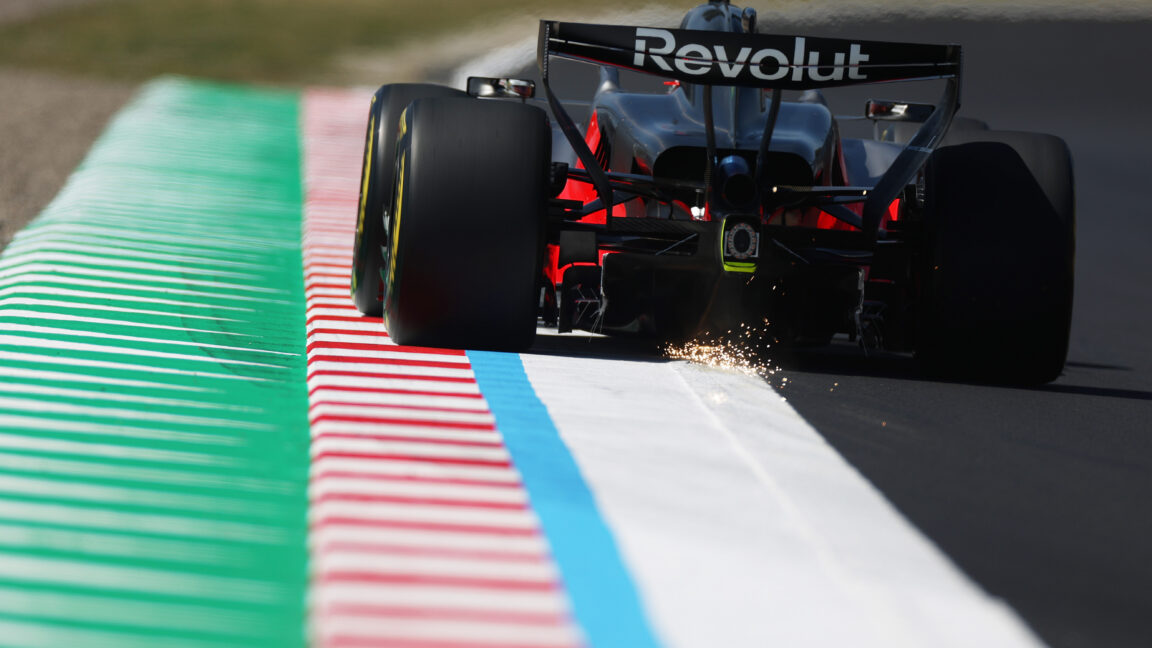
F1 moves a step closer to fixing its 2026 hybrid problem

​Algorithms, not drivers, are deciding how hard to accelerate, and that’s no good.  Formula 1 is enjoying something of an unexpected break right now. The war in the Middle East saw the cancellation of F1 races that were due to be held this month in Bahrain and Saudi Arabia.…

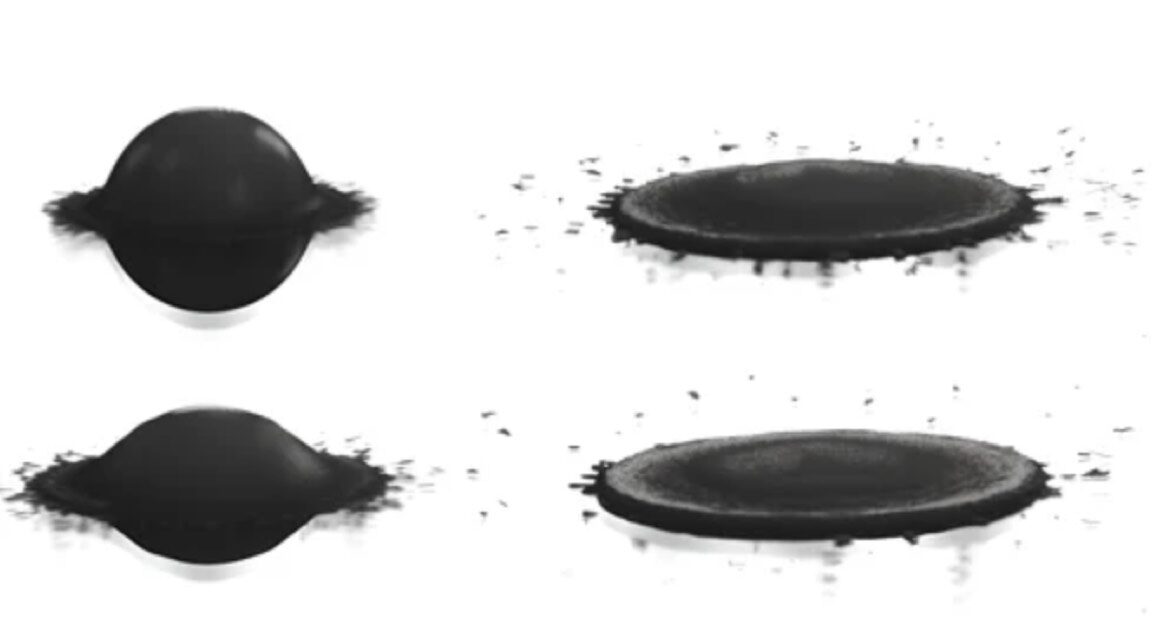
“Oobleck” still holds some surprises

Dense drops of oobleck with high shear rates spread out like a liquid before stiffening into a solid. Mixing corn starch and water in appropriate amounts produces a slurry that is liquid when stirred slowly but hardens when you punch it—a substance colorfully dubbed “oobleck.” (The name derives from…

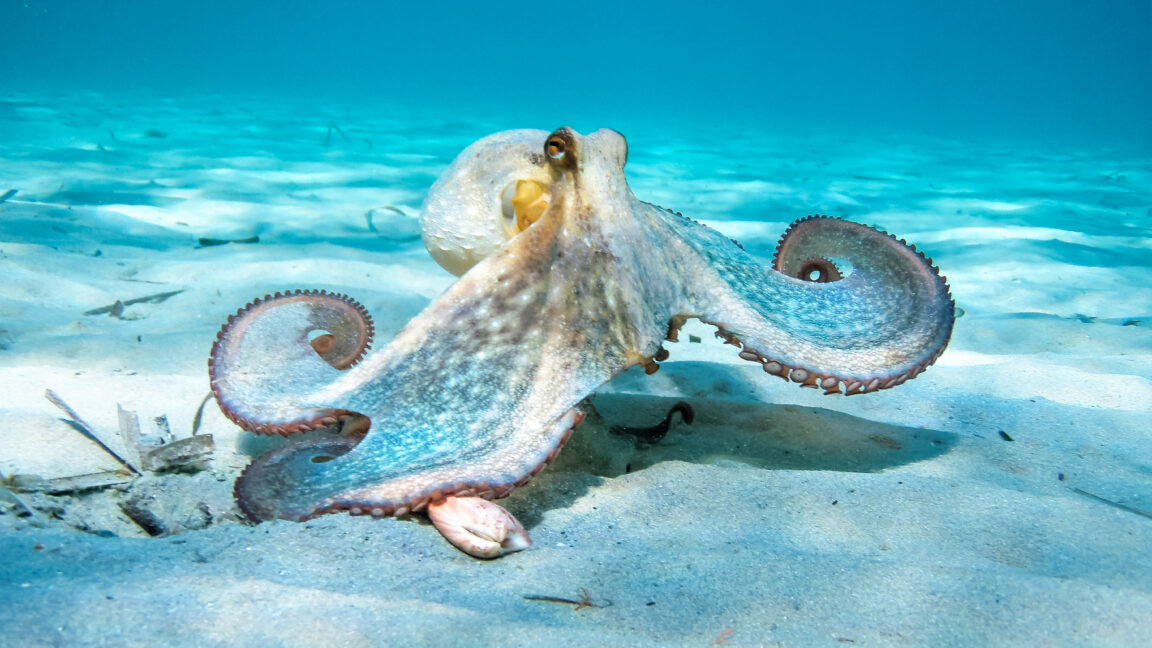
Oldest octopus fossil found to not be an octopus 

Supposed “first octopus” was something else entirely. Pohlsepia mazonensis, a visually underwhelming fossil from Illinois, fundamentally broke our understanding of cephalopod evolution. Described in 2000 and hailed as the oldest known octopus in the fossil record, the specimen dated back to the late Carboniferous period, roughly 311 to 306…

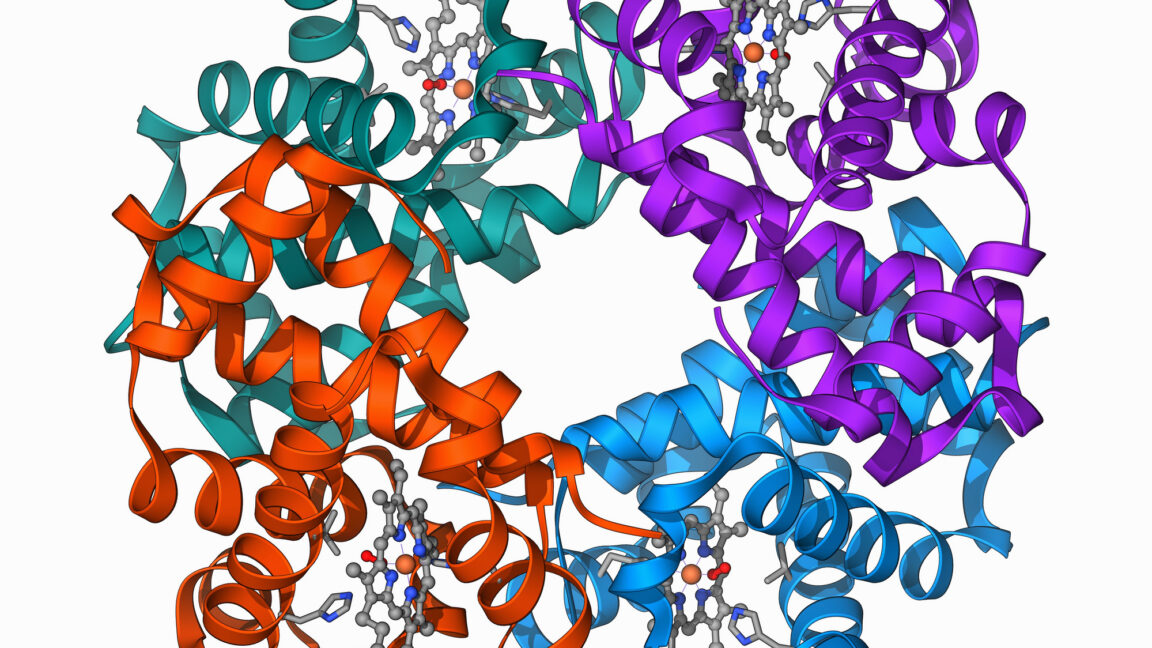
Clinical trial shows gene editing works for β-Thalassaemia, too

Improved gene editing process reactivates the fetal version of a hemoglobin gene. Almost as soon as researchers started exploring the capabilities of the CRISPR/Cas9 system, they recognized its potential use in targeted gene editing. But the intervening decades have seen slow progress as people worked to determine how to…

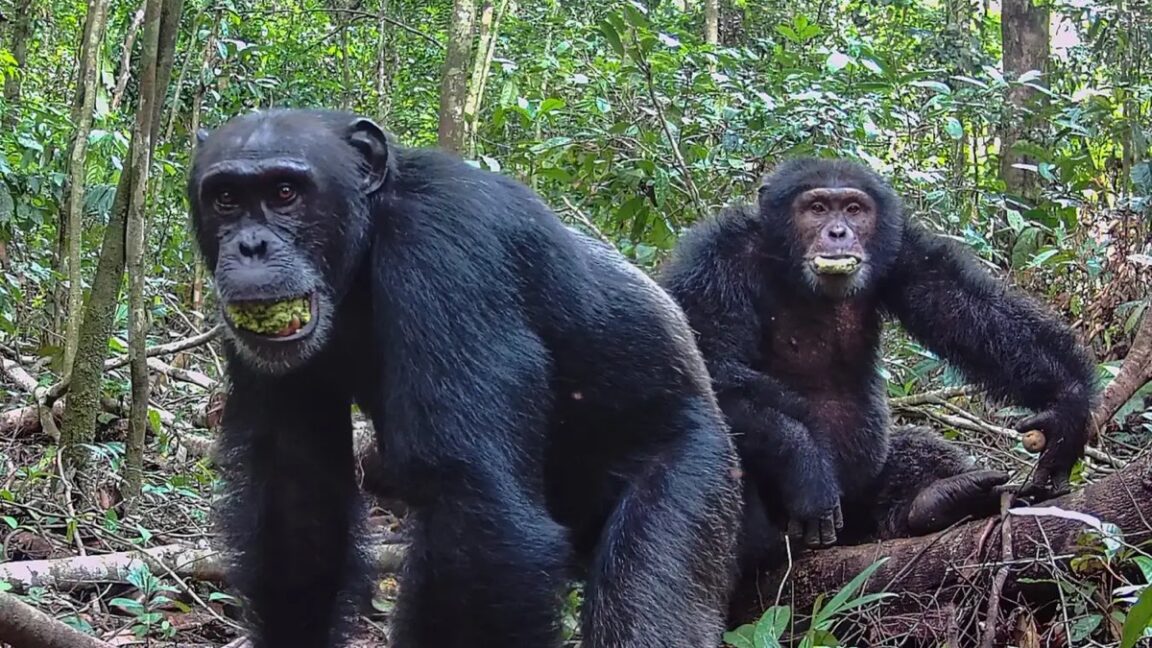
Ugandan chimps split into two factions, then killed rivals

Rare event suggests relational dynamics may play a role in collective violence, along with cultural markers. In the 1970s, the late Jane Goodall observed a community of chimpanzees in Gombe, Tanzania, breaking into two factions; the males in one group ended up killing all the males in the rival…