The self-heating Shenxing battery still performs even in Arctic temperatures.
As prophesied by more than a few analysts along the years, China’s full-hearted embrace of electric vehicles has paid dividends. Starting with also-rans that required joint ventures with Western automakers, Chinese OEMs now make world-leading EVs crammed full of smartphone-like features that we’re told are the best thing since sliced bread. I remain skeptical about that for now, but I don’t need to be convinced about the advanced state of Chinese EV powertrain technology.
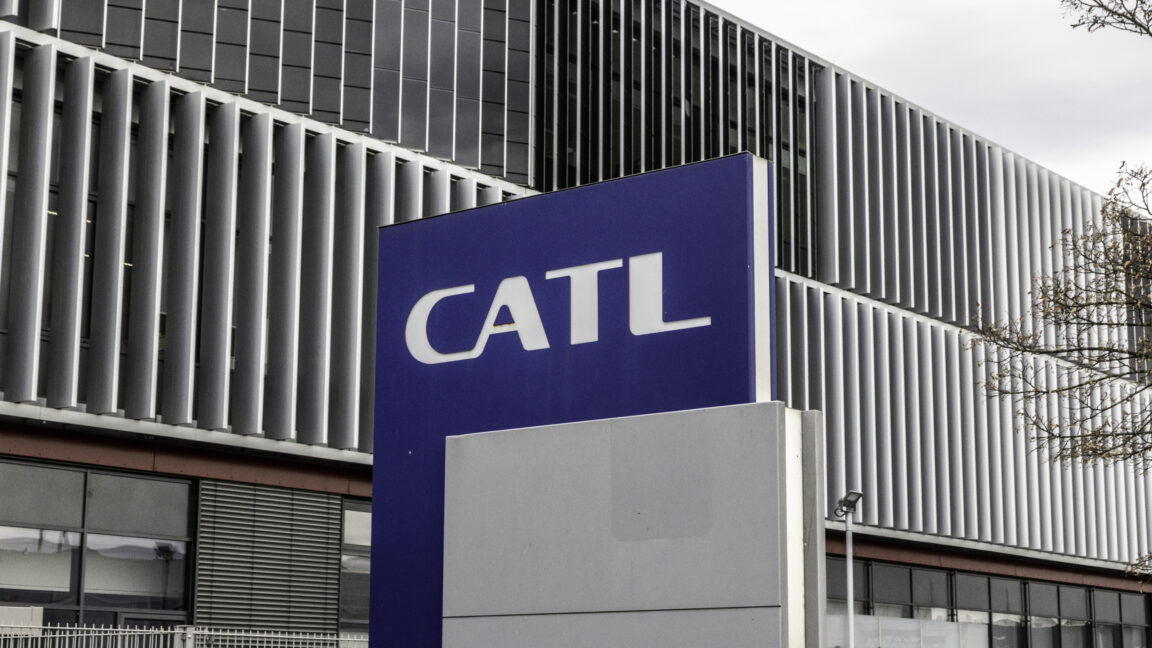
For instance, earlier today, the battery giant CATL unveiled an impressive new lithium-iron phosphate battery at a tech event in China. The third-generation Shenxing battery is CATL’s answer to BYD’s recently announced Blade Battery 2.0, and like BYD, CATL has focused on improving a couple of big pain points.
One is charging speed. Humans have long been conditioned to expect pumping an energy-dense liquid fuel into a vehicle to be quick. Batteries, meanwhile, can have non-linear charge curves depending on cell chemistry, and they behave differently at different temperatures and starting states of charge. OEMs like Hyundai and Porsche have 800 V nickel manganese cobalt battery packs that can charge from 10 to 80 percent in as little as 18 minutes. But according to a report in CarNewsChina, CATL’s Shenxing 3.0 is nearly five times faster.