Preserving glow-in-the-dark art and fashion for future generations

Understanding unique photochemistry of such materials will help in conservation, storage, and exhibition. Fashionistas of a certain age no doubt remember the late designer Stephen Sprouse, who gave Blondie’s Debbie Harry her distinctive Bowery punk style. Sprouse’s first collections in the mid-1980s made a major splash, melding graffiti prints,…

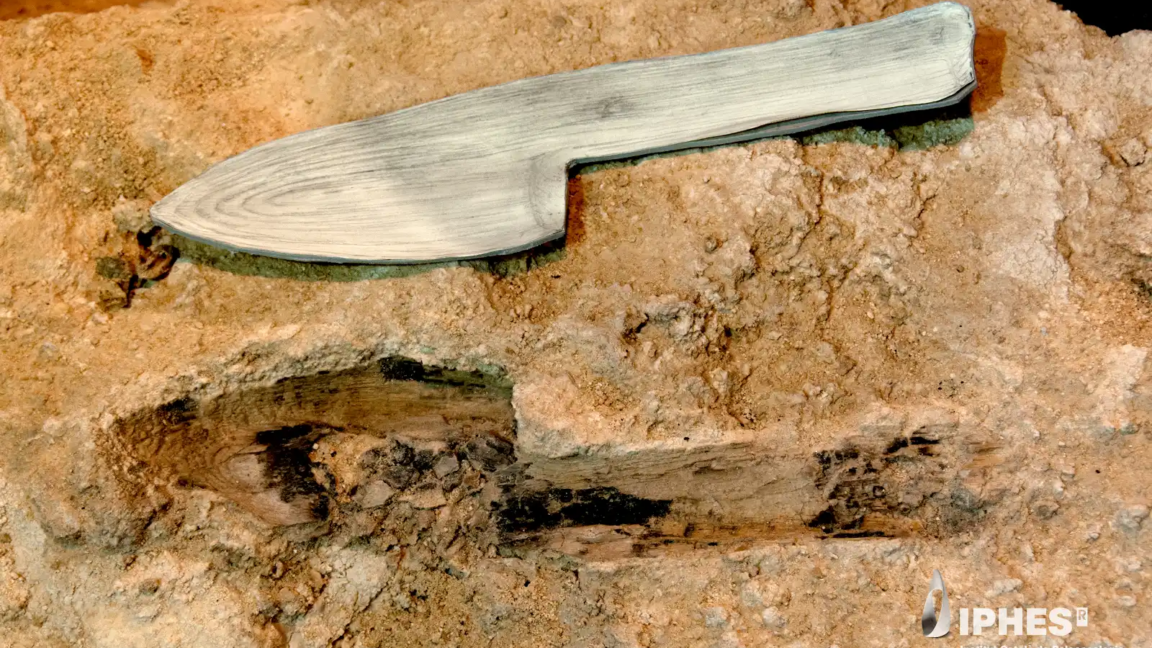
Buyer beware: Those mummified remains might carry toxic spores

“Mummified remains sold online exhibit signs of biodeterioration, yet sellers provide no safety guidance.” Mummified human and animal remains have long been in demand among collectors, and such items are sufficiently rare that their acquisition may involve unregulated, occasionally clandestine trade practices—if not outright illegal ones. According to the…

Trump tried to curb clean energy. It’s booming anyway.

Capacity will rise by a record 45GW this year, according to S&P Global Energy. Donald Trump is presiding over an unexpected clean energy boom, as rising electricity demand spurs investment in new capacity despite the US administration’s efforts to thwart a solar and wind rollout. Clean energy additions will…

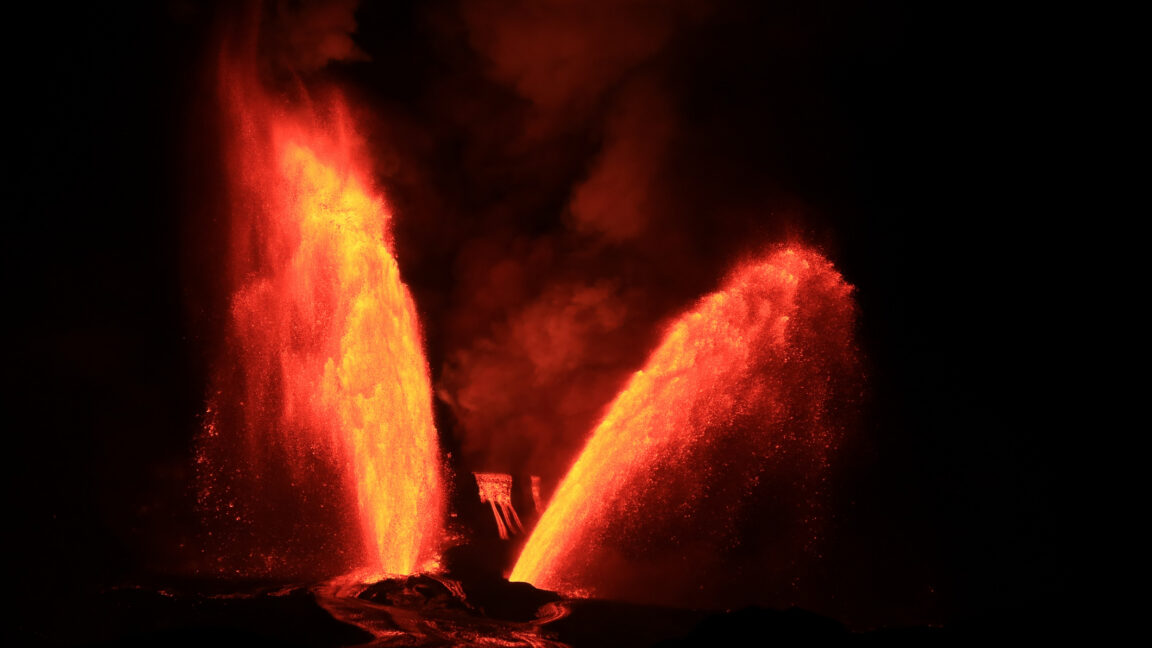
Volcanoes that made history

Enormous eruptions altered Earth’s climate and societies all over the globe. The first telegram arrived in Singapore on a Monday, sent from the city of Batavia in the Dutch East Indies (now Jakarta, Indonesia). “Terrific detonations from Krakatau (volcanic island),” it reported. Soon afterward: “Stones falling. Village near Anjer…

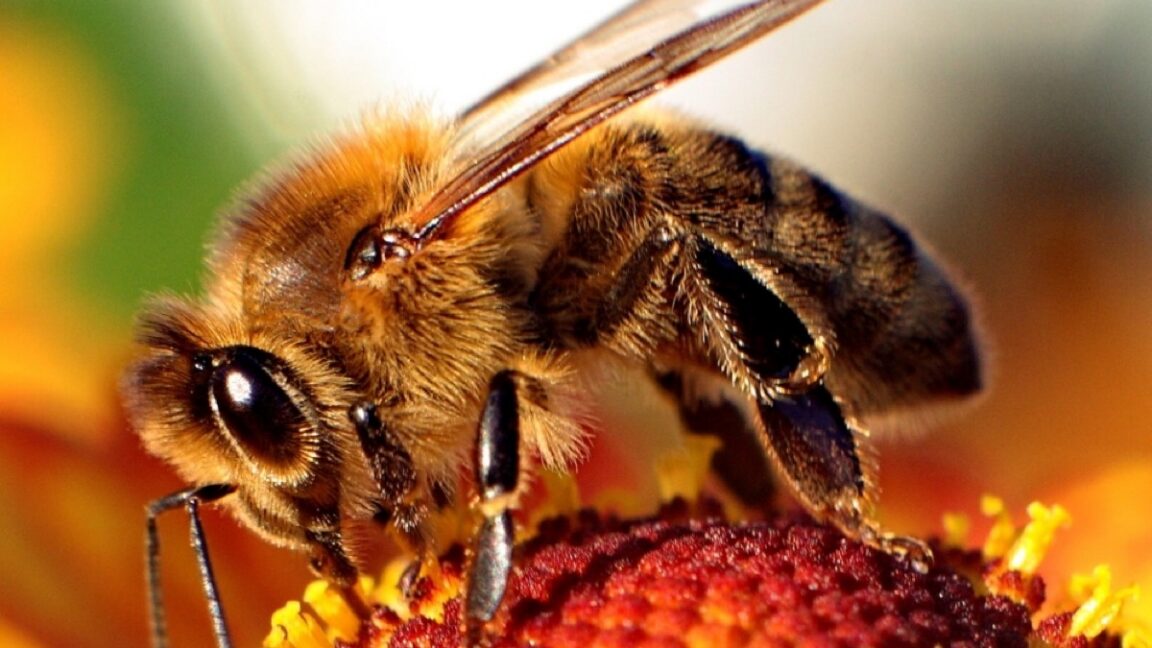
Putting mice into hibernation causes a major loss of synapses

Hibernation cuts down on synapses, but mice seem to retain memories anyway. Our leading hypothesis for how our memories are stored is that when you learn something, the connections among neurons involved get stronger and physically larger, and that constitutes the memory. The trouble is that these connections significantly…

Thunder + fiber-optic cabling used for seismic imaging

Thunderstorms make seismic waves that can be used to find sub-surface features. Most of what we know about the Earth’s interior comes from observing seismic waves. These travel at somewhat different speeds depending on the details of the rock they’re moving through—whether it’s solid or semi-molten, how much water…