Wear marks suggest Neanderthals made ocher crayons

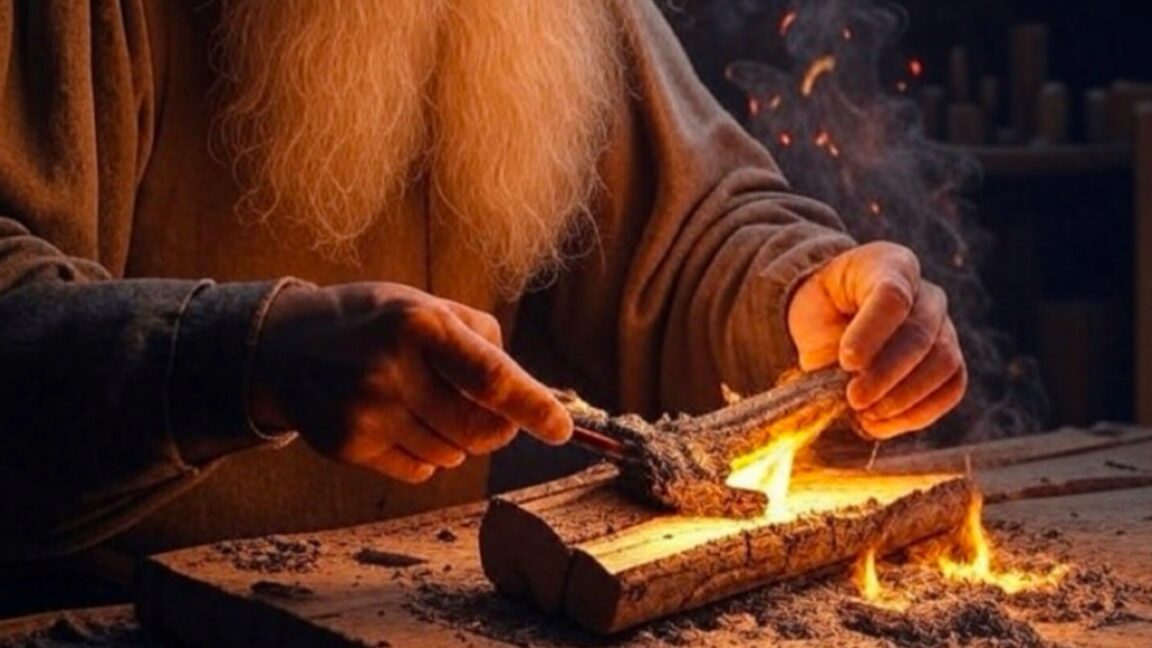
Neanderthals were apparently no easier on their art supplies than modern kids. Two chunks of ocher unearthed at ancient rock shelters in Ukraine were actually Neanderthal crayons, according to a recent study. The pair of artifacts, unearthed from layers 47,000 and 46,000 years old, showed signs of being deliberately…

New study settles 40-year debate: Nanotyrannus is a new species

“This fossil doesn’t just settle the debate. It flips decades of T. rex research on its head.” For four decades, a frequently acrimonious debate has raged in paleontological circles about the correct taxonomy for a handful of rare fossil specimens. One faction insisted the fossils were juvenile Tyrannosaurus rex;…

The chemistry behind that pricey cup of civet coffee

Fans of kopi luwak claim the coffee has a unique aroma and taste. A new chemical analysis backs them up. In 2007’s The Bucket List, Jack Nicholson’s billionaire magnate is a fan of a luxury coffee called kopi luwak, only to be informed that the beans first pass through…

Why imperfection could be key to Turing patterns in nature

Many Turing mechanism models yield too-perfect patterns; varying cell sizes vastly improves the results. A mixture of two types of pigment-producing cells undergoes diffusiophoretic transport to self-assemble into a hexagonal pattern. Credit: Siamak Mirfendereski and Ankur Gupta/CU Boulder A mixture of two types of pigment-producing cells undergoes diffusiophoretic transport…