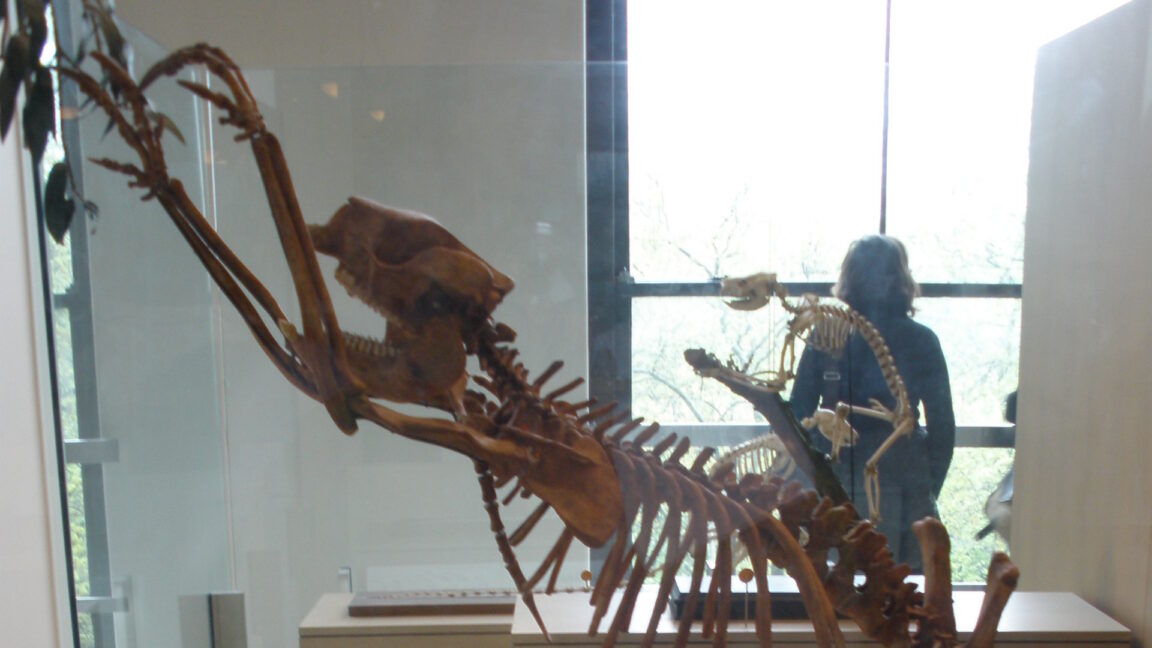
The first people to set foot in Australia were fossil hunters

Europeans weren’t the first people to collect fossils in Australia. Australia’s First Peoples may or may not have hunted the continent’s megafauna to extinction, but they definitely collected fossils. A team of archaeologists examined the fossilized leg bone of an extinct kangaroo and realized that instead of evidence of…

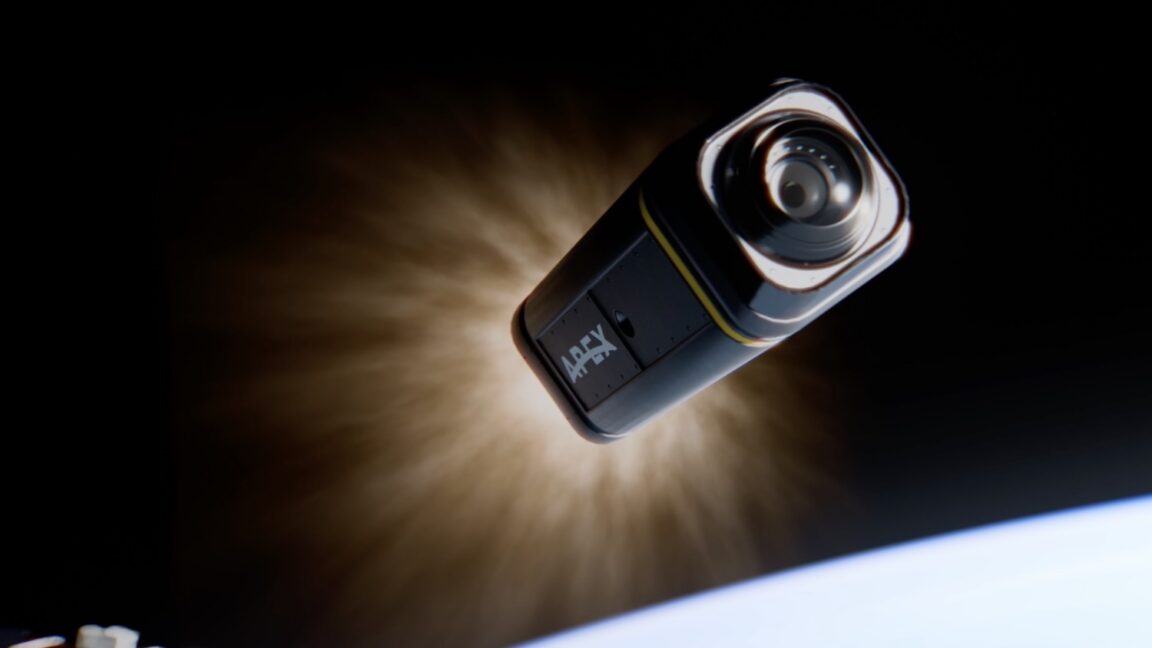
California startup to demonstrate space weapon on its own dime

“All of the pieces that are required to make it viable exist.” Defense contractors are in full sales mode to win a piece of a potentially trillion-dollar pie for development of the Trump administration’s proposed Golden Dome missile shield. CEOs are touting their companies’ ability to rapidly spool up…

Even with protections, wolves still fear humans

European wolves flee human conversation faster than dogs’ barking. In May 2025, the European Parliament changed the status of wolves in the EU from “strictly protected” to “protected,” which opened the way for its member states to allow hunting under certain conditions, such as protecting livestock. One of the…

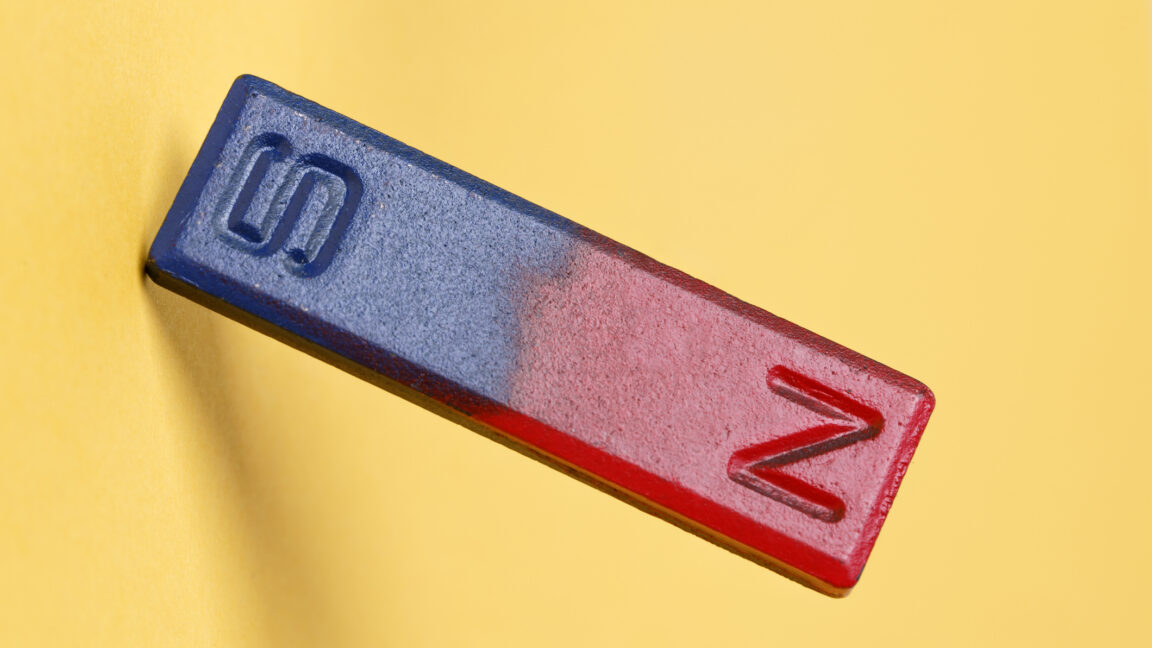
Breaking down rare earth element magnets for recycling

New method extracts desirable elements from waste magnets using less energy and acid. All the world’s discarded phones, bricked laptops, and other trashed electronics are collectively a treasure trove of rare earth elements (REEs). But separating out and recovering these increasingly sought-after materials is no easy task. However, a…

Do animals fall for optical illusions? It’s complicated.

Guppies are highly susceptible to the Ebbinghaus illusion. Ring doves? Not so much. Chances are you’ve encountered some version of the “Ebbinghaus illusion,” in which a central circle appears to be smaller when encircled by larger circles and seems larger when surrounded by smaller circles. It’s an example of…

Dead Ends is a fun, macabre medical history for kids

Ars chats with co-authors Lindsey Fitzharris and Adrian Teal about their delightful new children’s book. In 1890, a German scientist named Robert Koch thought he’d invented a cure for tuberculosis, a substance derived from the infecting bacterium itself that he dubbed Tuberculin. His substance didn’t actually cure anyone, but…