Did poop enable the evolution of complex animals?

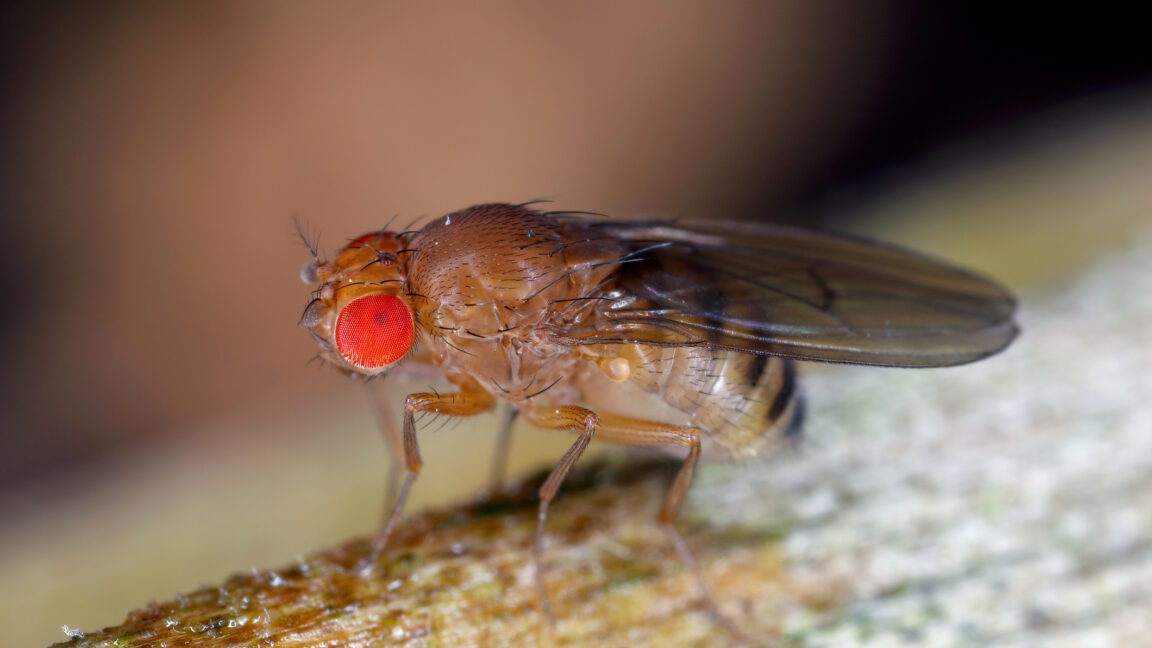
In a recent study, evolution gets even messier than usual. The Cambrian explosion may have been fueled by poop. The first animals on Earth emerged about 600 million years ago, and 60 million years later, those simple early animals evolved in wildly different directions, branching out into a diverse…

Dogs can tell if you’re scared or sad

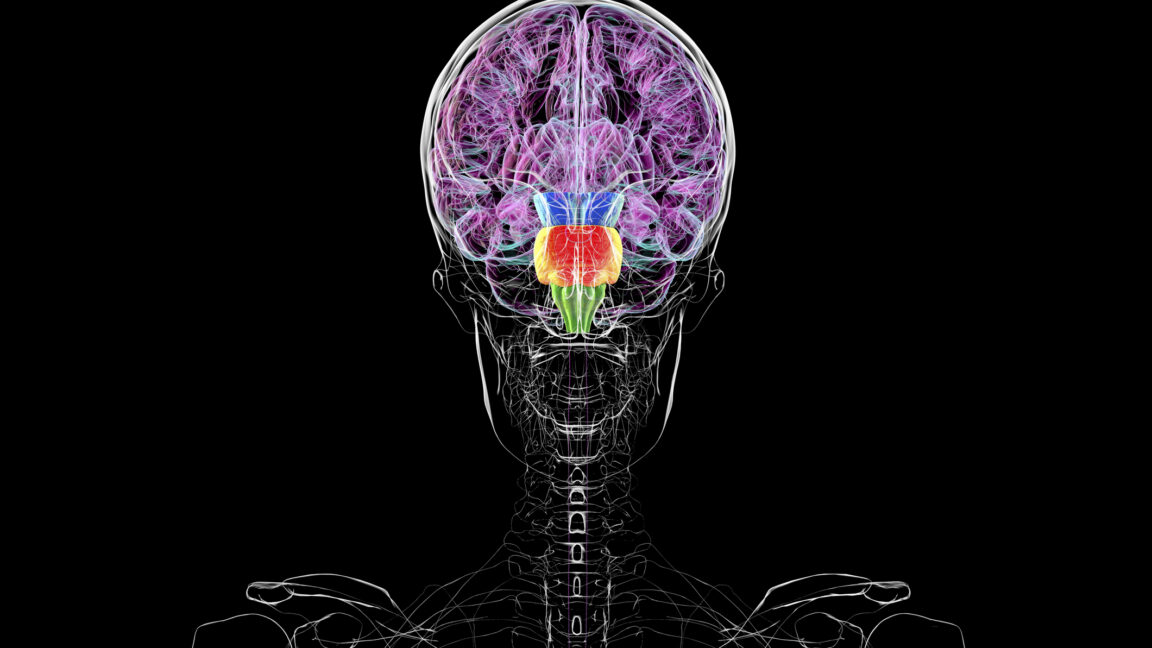
fMRI scans show happiness, fear, anger, and sadness have distinct brain activity patterns in doggy brains. Any dog owner would tell you that their canine companions are attuned to their humans’ emotional state and respond accordingly. Scientists have performed fMRI scans on dogs and identified a specific brain region…

Peer review is overwhelmed—can it survive in the AI era?

As research and AI-assisted papers surge, volunteer reviewers struggle to keep up. Jason Semprini was excited about his research on policies mandating that elementary school students receive the human papillomavirus vaccine. HPV causes most cases of cervical cancer, but counterintuitively, Semprini found that mandates don’t do that much to…

How snails engineer their slime

Collagen and calcium work in tandem to achieve varying mechanical properties of different kinds of mucus. Snails are well-known for their mucus. The slime is highly valued as an anti-inflammatory and anti-aging ingredient in certain skin care products, and snails can secrete different kinds of mucus with properties tailored…